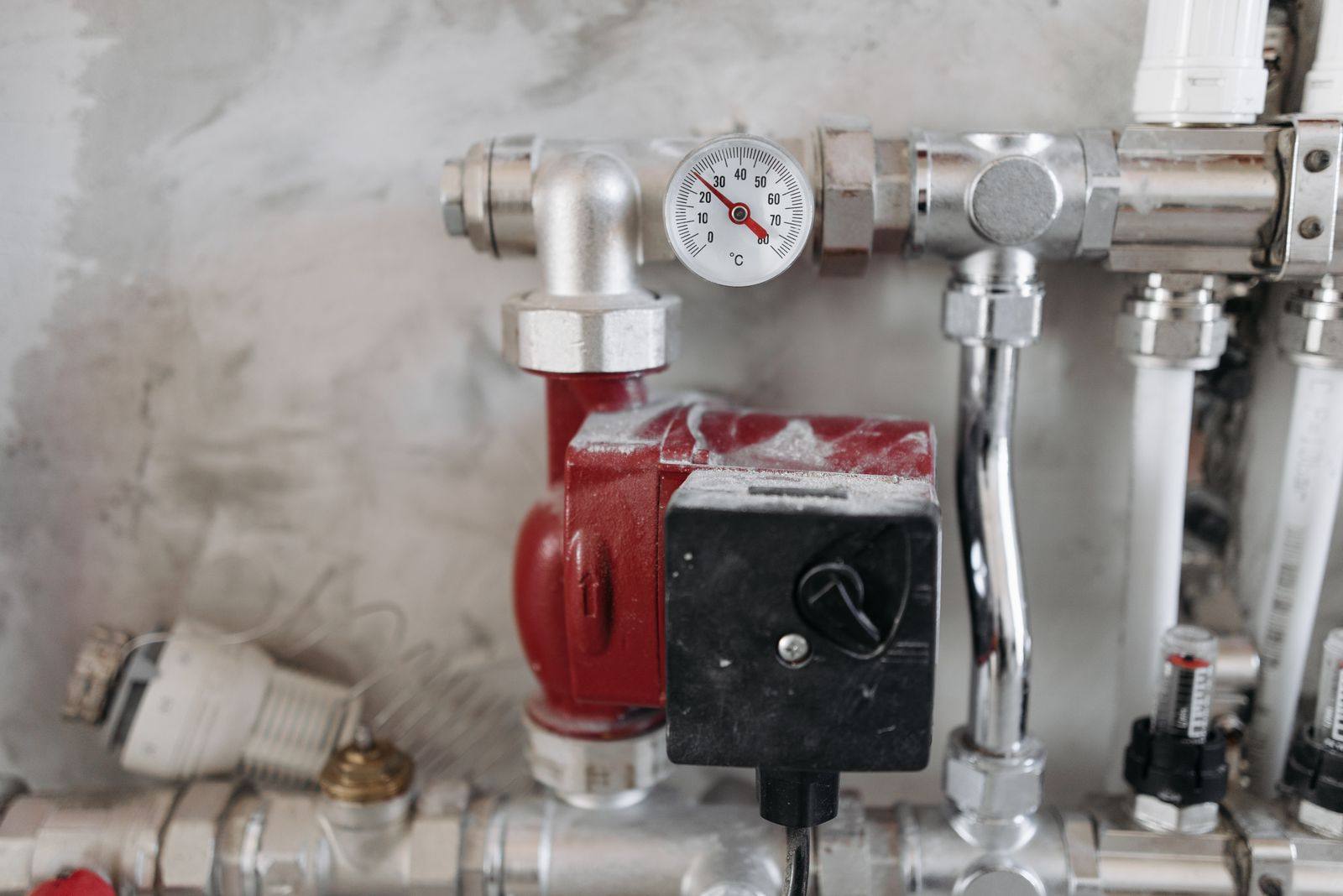
Fort Collins winters and the heater in the garage
Fort Collins sits on Colorado's northern Front Range, where the Cache la Poudre River comes out of the foothills and the city spreads east across the plains. At about 5,000 feet above sea level, with cold winters and dry air, it is a different place for a water heater than a coastal city: overnight lows regularly fall below freezing from late fall through early spring, and many heaters live in garages, basements, or unheated utility spaces where a cold snap can reach them.
Here is what cold does to water heaters in Fort Collins, and which freeze protection steps actually work. It is general guidance, not a quote or a guarantee.
What cold does to a water heater
A water heater in an unheated garage or against an exterior wall sits in air that can drop below freezing on a January night. The heater itself keeps its tank warm while it runs, but the pipes feeding it — cold-water inlet, hot-water outlet, and the relief-valve discharge line — do not have that protection. Water in a pipe that freezes expands, and a frozen pipe can split; the leak often does not show until the pipe thaws the next morning, so a pipe that froze overnight can burst at breakfast.
Cold also makes the heater work harder. A tank in near-freezing air loses heat faster, so the burner or elements cycle more often, and the heater delivers less hot water for the same energy. In a hard freeze, a heater that was already struggling — sediment, a worn anode rod, an aging thermostat — is the one that fails.
What actually helps
- - Insulate exposed pipes — foam pipe insulation on the inlet, outlet, and any exposed runs, especially along exterior walls and in unheated spaces.
- - Keep the garage from freezing — even a small amount of heat, or sealing the worst drafts around doors and vents, keeps the space above freezing on most nights.
- - Let a tap drip in a hard freeze — a slow drip keeps water moving through the pipes, which is what stops them freezing. It is a short-term measure for the coldest nights, not a permanent fix.
- - Know where the shutoffs are — the water supply to the heater, and the home's main supply. In a freeze emergency, shutting off the water fast is what limits the damage.
- - Maintain the heater before winter — flush sediment and check the anode rod in the fall, so the heater goes into winter in its best condition. See the maintenance page.
What does not help
Ignoring the problem until the coldest night of the year. A heater that has never been flushed, with pipes that have never been insulated, is the one that fails in a freeze — and it fails as a leak, which is an emergency, not a scheduled replacement.
Frequently Asked Questions
How cold does it have to get to freeze a pipe?
Pipes along exterior walls and in unheated spaces can freeze when overnight temperatures fall well below freezing and stay there for hours. Wind and drafts make it happen faster.
Should I drain the heater in winter?
No — draining a heater that is in use is not freeze protection, and a drained tank can be damaged if the heater fires. Insulation, a drip, and keeping the space above freezing are the right steps.
My pipes froze. What do I do?
Turn off the water supply if a pipe has split, and do not use an open flame to thaw a pipe. Describe what happened in a request through the contact page.